· 1 min read
Sprinter, mini coach or full coach: sizing group transport
The biggest vehicle is rarely the right one. Access, luggage and how many trips it has to make matter more than seat count.
Group transport gets sized on headcount alone, and headcount is only one of four things that matter. The others catch people out more often.
The realistic options
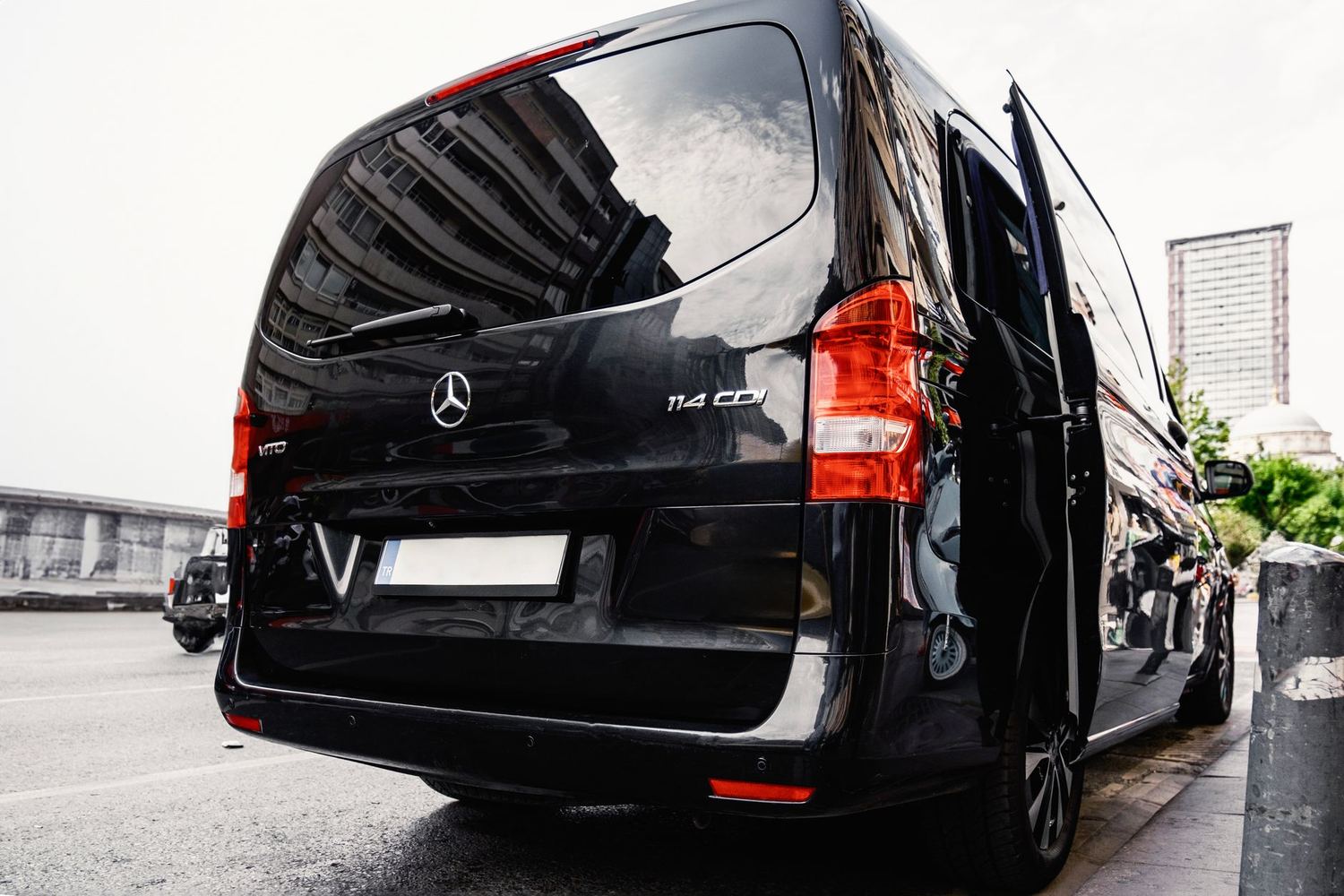
- Business van — up to 7 with luggage. A large family or a small team.
- Executive Sprinter — up to 14, captain seating, tables and power. The workhorse for corporate groups.
- Mini coach — roughly 24 to 32 seats, with a luggage bay. Wedding shuttles and conference loops.
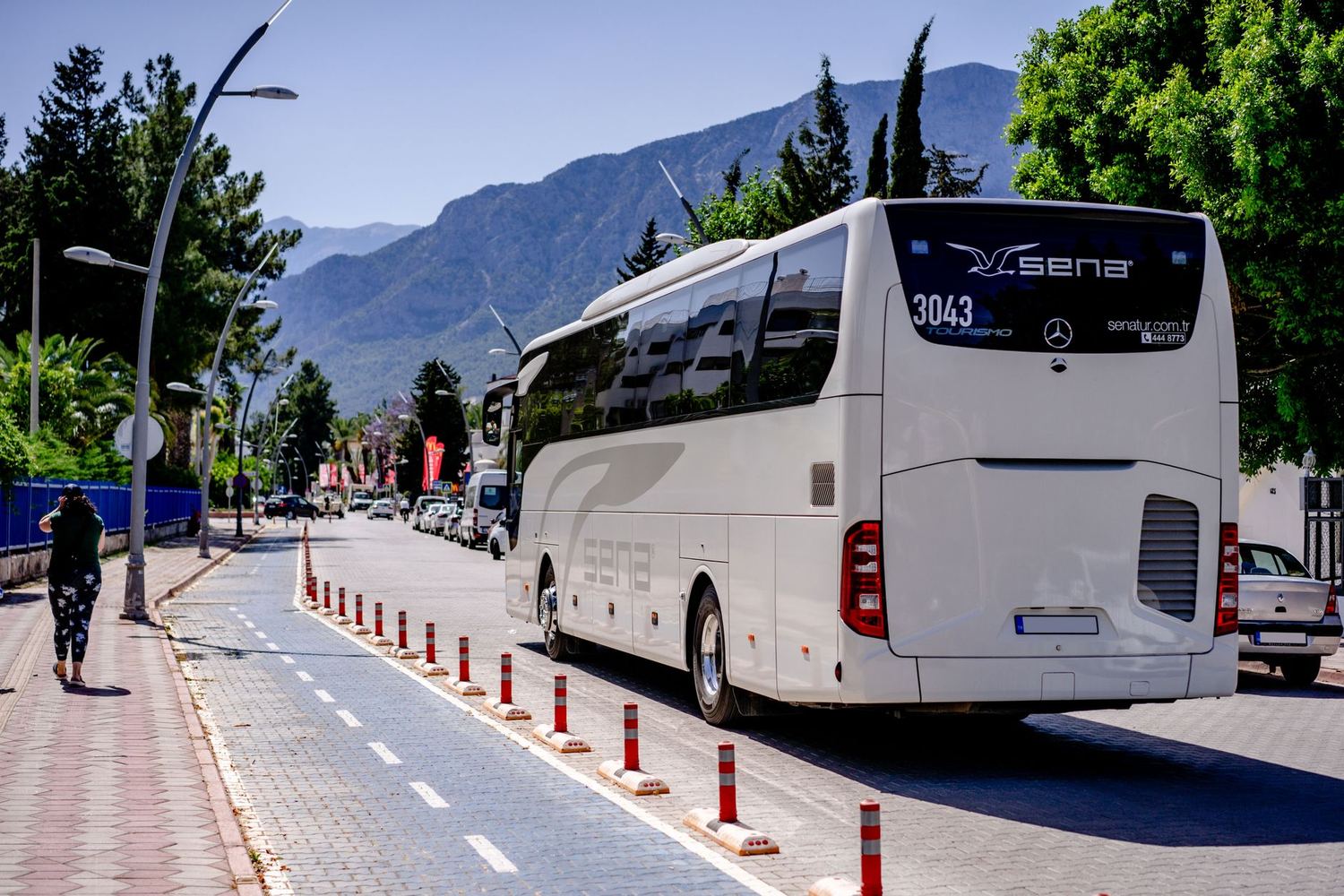
- Full coach — up to 56, luggage bay and washroom. Large single movements.
Access beats capacity
A 56-seat coach cannot get down a residential street, into many downtown Toronto loading zones, or up a rural cottage road. If your pickup or venue has tight access, the vehicle is chosen by what physically fits, and two smaller vehicles may be the only workable answer.
Luggage is a separate calculation
A Sprinter seating 14 does not carry 14 airport-sized cases as well as 14 people. If it is an airport movement, the honest capacity is lower than the seat count. Say what the luggage is.
One big vehicle or two smaller ones
For a single movement, one vehicle is simpler and usually cheaper. For a shuttle running repeatedly, two smaller vehicles on a rolling loop move people with far less waiting than one large one doing sequential runs — which is why conference shuttles are usually mini coaches rather than full coaches.
Driver hours
Long days with a coach are governed by hours-of-service limits. A wedding running from a morning pickup to a 1am return may legally require a driver change, and we plan that rather than discovering it at midnight.
What to tell us
Headcount, luggage, pickup and venue access, and whether it is one movement or a loop. See the fleet and group transport.