· 1 min read
Accessible ground transport in Toronto: what to ask for
"Accessible" covers a wide range of needs and a wide range of vehicles. Being specific at booking is what gets the right one.
Accessibility requests cover a very broad range, from a passenger who simply finds a low sedan hard to get out of, to someone who must remain in their wheelchair for the whole journey. Those need completely different vehicles, so the useful thing is to describe the actual requirement rather than use the word alone.
The most common case
Someone with limited mobility who can transfer into a car seat but finds it difficult. A full-size SUV is usually the answer: the seat height means a passenger steps across rather than lowering themselves down, which is significantly easier on hips and knees. A folding chair or walker goes in the boot.
Where a specialist vehicle is needed
If the passenger must stay in their wheelchair, that requires a properly converted vehicle with a ramp or lift and correct securing points. We do not improvise this. We arrange it through our vetted operator network, with notice, because doing it badly is genuinely unsafe.
What to tell us
- Whether the passenger can transfer to a car seat, with or without help.
- Whether the chair folds, and its approximate size and weight.
- Whether a companion or attendant is travelling.
- Any assistance needed at either end — help to a door, or through a terminal.
- For airports, whether airline assistance has been arranged, and where it hands over.
Airports
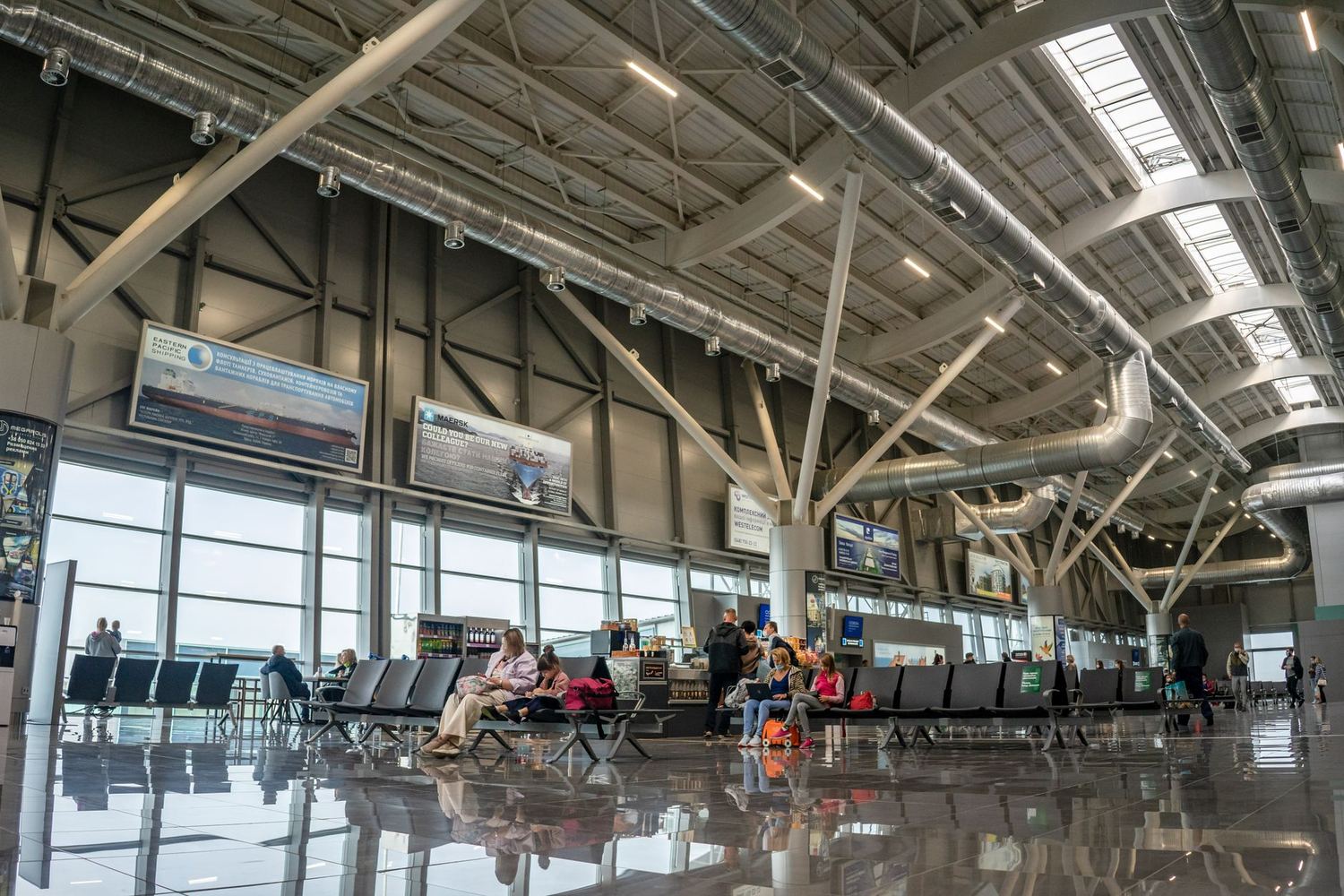
A meet-and-greet is usually the right choice, so the chauffeur is with the passenger from inside the terminal rather than at a kerb. Coordinating with airline assistance is worth doing in advance.
Booking
Call rather than use a form — (877) 403-1177. It is a conversation, not a checkbox. See also medical appointment transport.